Founder's Story
From a dorm room to $190,000 a month. Here's how it actually happened.
The inside story of how Lucas James built and scaled Twiz, and the one framework that doubled revenue almost overnight.
Founder's Story
Twiz
Lucas James · Digital Agency & Lead Generation
Service
Agency Scaling
Industry
Digital Agency
A year of stagnation, and the breakthrough that changed everything.
Lucas James started Twiz in his college dorm room in March 2018 with no funding, no investors, and no playbook, just Lucas and business partner Christian Belichick figuring it out as they went. By February 2019, they had scaled from zero to $15,000 per month. By August 2019, they had exploded to $80,000 per month in revenue.
Then everything stopped. For almost a full year, they were stuck at $80,000. They tried duplicating sales efforts, refining processes, reinvesting capital back into the business. Nothing worked. Lucas describes that period as uncomfortable and expensive, consistently investing money that could have gone into his own pocket, with nothing to show for it.
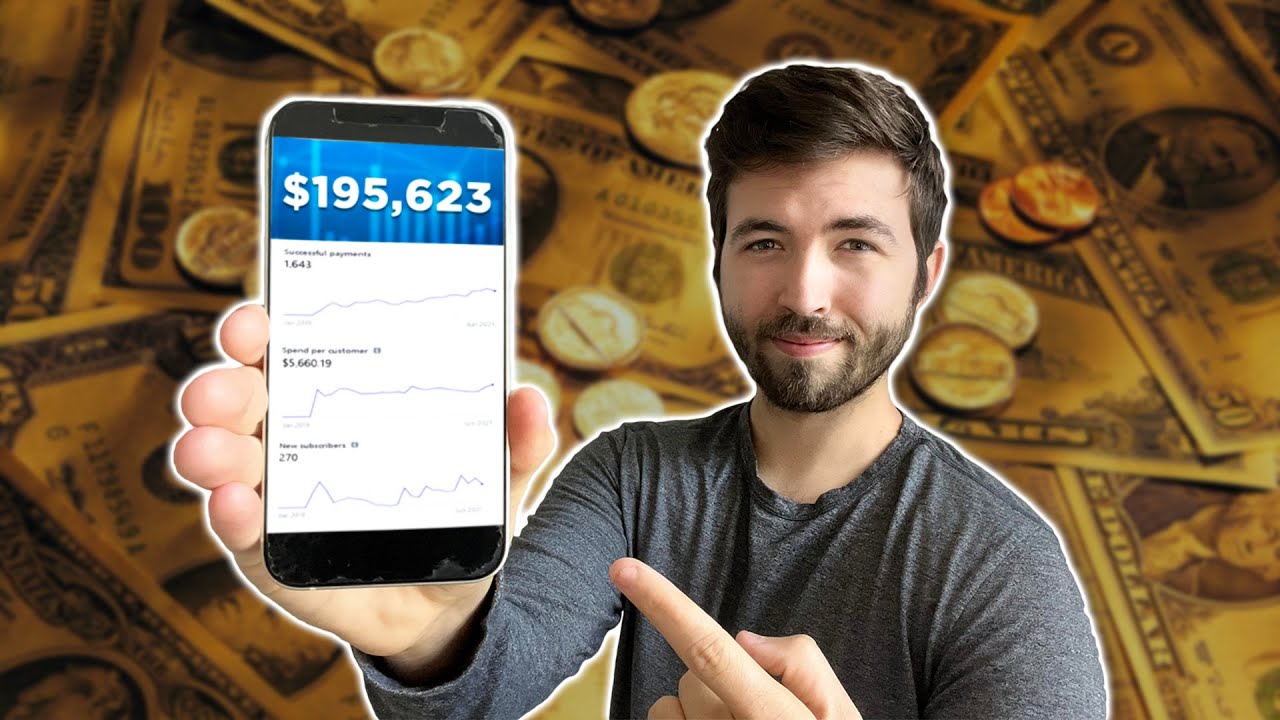
The breakthrough came from a book, a framework, and a fundamental change in how Lucas thought about closers. Instead of hiring full-time salespeople with upfront costs and long ramp-up periods, he started bringing closers in fractionally, part-time first, with a strict quota of one account closed per 20 hours. Only those who hit the benchmark earned more hours. Only those who proved themselves were scaled up. That model, paired with a strong commission structure that incentivized performance, took Twiz from $100,000 to its best month of nearly $190,000.
"Building wealth is about getting other people to be so incentivized by your product or service that they're willing to work tirelessly for you and help you build your business."
Lucas James · Founder, Twiz
$190K
Best Month
Peak monthly revenue reached
2018
Founded
Bootstrapped from a college dorm room
2×
Revenue
Doubled from $100K to ~$190K/month
1
Key Insight
Fractional closers with strict quotas
Building wealth is about getting other people to be so incentivized by your product or service that they're willing to work tirelessly for you and help you build your business.
Lucas James
Founder, Twiz
What Worked
Start Fractional, Scale Proven
The biggest unlock was bringing closers in part-time before committing to full-time. Fractional hours meant no wasted resources on people who weren't ready, and a clear, earned path to more hours for those who proved themselves.
Strict Quotas, No Exceptions
One account per 20 hours. That was the benchmark. Anyone who didn't hit it didn't get more hours. The discipline of this rule prevented the expensive mistake of scaling underperformers with sunk-cost loyalty.
Comp Plans That Actually Incentivize
Lucas paid closers a percentage of deal value within 30 days of closing, real money, delivered quickly. Closers who feel well-compensated close more deals. The incentive structure was designed to make that loop as tight as possible.
Doubling Revenue Relatively Overnight
Once the right closers were in place, properly incentivized and held to clear standards, revenue grew from $100,000 per month to nearly $190,000. Not gradually over years, but relatively quickly once the model clicked.
Bootstrapped All the Way
No outside funding, no investors, no safety net. Every decision was made with real money on the line. That constraint forced the kind of discipline that makes the playbook applicable to any agency at any stage.
A Lesson Learned the Hard Way
Lucas spent over $100,000 and a full year trying to figure this out before the framework clicked. Sharing this story exists to compress that timeline for other agency owners, a proven path instead of an expensive experiment.